Understanding Physiological Roles of Dietary Fats in Energy Regulation

Educational content only. No promises of outcomes. Purely informational materials exploring the biochemical functions of dietary fats in metabolic processes.

Close-up of extra-virgin olive oil in ceramic dish

Biochemical Functions of Dietary Fats

Dietary fats serve fundamental roles in the body's biochemical machinery. These lipid molecules are essential precursors for cell membrane structures, where they maintain proper fluidity and function. Fats are also the starting point for synthesising signalling molecules including hormones, prostaglandins, and other lipid mediators that regulate inflammatory responses, reproductive processes, and metabolic regulation.

Furthermore, fat-soluble vitamins (vitamins A, D, E, and K) require dietary fats for efficient absorption within the digestive system. Without adequate fat intake, the body cannot effectively utilise these vitamins, which are necessary for immune function, bone health, antioxidant protection, and blood clotting.


Halved avocado with natural texture

Types of Fatty Acids and Their Metabolic Handling

Dietary fats exist in several forms: saturated, monounsaturated, and polyunsaturated fatty acids. Each type has distinct chemical structures that influence how the body processes them. Saturated fats are typically solid at room temperature and are metabolised through standard fatty acid oxidation pathways. Monounsaturated fats, found abundantly in olive oil and avocados, have one double bond in their carbon chain, affecting their metabolic behaviour and membrane incorporation.

Polyunsaturated fats, including omega-3 and omega-6 fatty acids, contain multiple double bonds and cannot be synthesised by the body. These essential fatty acids play critical roles in inflammatory regulation and cell signalling. The body converts dietary linoleic acid (omega-6) and alpha-linolenic acid (omega-3) into longer-chain metabolites through enzymatic pathways that compete for the same enzymes, making the ratio between these types nutritionally relevant.

Mixed nuts and olive branch

Satiety Mechanisms Involving Dietary Fats

One of the physiological roles of dietary fats relates to satiety signalling. When fat is consumed, it stimulates the release of cholecystokinin (CCK), a hormone secreted by intestinal cells that signals fullness to the central nervous system. This effect occurs because fatty acids trigger specific receptors in the intestinal lining.

Additionally, dietary fat slows gastric emptying—the rate at which food leaves the stomach and enters the small intestine. This delayed transit time extends the period of nutrient absorption and postprandial satiety signalling, which may influence appetite perception and meal spacing. The magnitude of these effects can vary based on the type of fat consumed and individual digestive physiology.

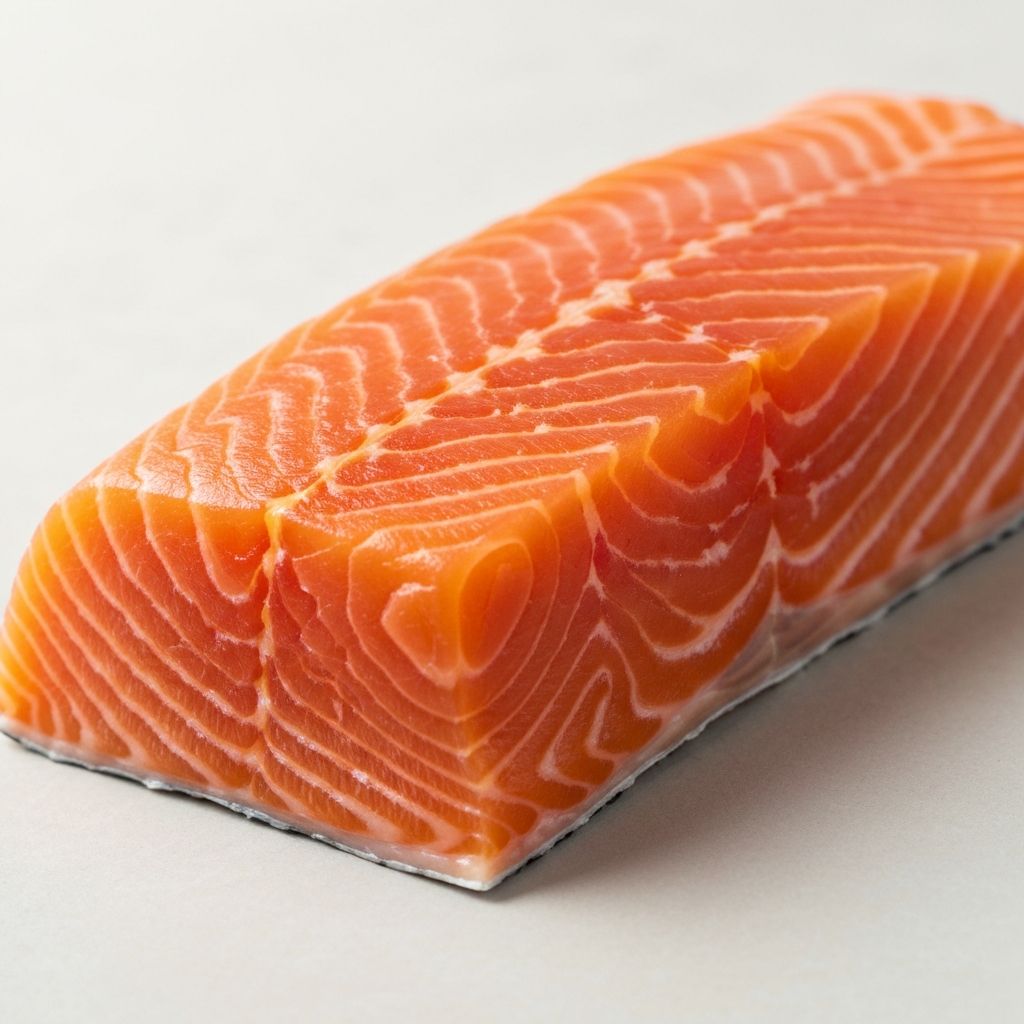
Fresh salmon fillet with natural marbling

Energy Substrate Preference: Fat Oxidation vs Glucose Use

The body can utilise either fats or carbohydrates as primary fuel sources depending on availability, activity level, and metabolic state. During periods of low carbohydrate intake or sustained activity, the body shifts toward preferentially oxidising fatty acids for energy. This metabolic flexibility is regulated by hormonal signals, particularly insulin and glucagon levels.

The oxidation of fats occurs predominantly in mitochondria through the process of beta-oxidation, producing acetyl-CoA that enters the citric acid cycle for energy generation. Different tissues show varying preferences for fuel substrates—muscle tissue can readily oxidise fats, whilst the brain primarily uses glucose. This metabolic partitioning illustrates how dietary fat intake can influence which substrates dominate energy production across tissues.

Chia seeds soaking in water

Energy Density Across Macronutrients

Dietary fats contain nine kilocalories per gram, compared to four kilocalories per gram for both protein and carbohydrates. This higher energy density is a fundamental biochemical property reflecting the greater number of electrons available for oxidation in fatty acid molecules. Understanding this distinction is relevant to discussions of energy balance, as it describes why equal masses of different macronutrients deliver different amounts of energy.

Fat

9 kcal/gram. Highest energy density due to extensive carbon-hydrogen bonds.

Protein & Carbohydrates

4 kcal/gram each. Lower energy density with fewer oxidisable electrons per molecule.

Research on Isocaloric High-Fat vs High-Carbohydrate Diets

Scientific studies comparing high-fat and high-carbohydrate diets with equal caloric content have explored effects on energy expenditure and appetite regulation. Research indicates that when total energy intake is matched, both macronutrient distributions can support weight stability in controlled settings. Some studies report slightly different thermic effects of digestion between macronutrients, though these differences are modest—protein shows the highest thermic effect, whilst fat shows the lowest.

Regarding appetite control, findings are mixed. Whilst fats can increase CCK release, total appetite suppression depends on many factors including individual metabolic characteristics, food composition, meal timing, and overall dietary context. No dietary pattern is universally superior for energy balance across all individuals; individual variability in response is substantial.

Observational Patterns of Fat Intake and Metabolic Markers

Population-level studies examining habitual dietary fat intake have revealed associations between fat consumption patterns and various metabolic markers. Populations consuming primarily unsaturated fats (from olive oil, nuts, and fish) often show different lipid profiles compared to populations with higher saturated fat intakes. However, these associations are confounded by overall diet quality, physical activity, genetic factors, and many other variables.

Metabolic markers including blood triglycerides, HDL cholesterol, LDL cholesterol, and insulin sensitivity show complex relationships with dietary fat type rather than fat quantity alone. Observational data cannot establish causation—people consuming different fat types typically differ in many other dietary and lifestyle factors, making it difficult to isolate fat's specific contribution to metabolic health.

Individual Variability in Fat Metabolism Responses

The physiological response to dietary fat consumption varies substantially between individuals due to genetic polymorphisms, insulin sensitivity status, prior dietary history, physical fitness level, and other metabolic characteristics. Some individuals may show greater insulin secretion in response to specific fats; others may demonstrate different satiety hormone responses.

Genetic variation in genes encoding fatty acid transporters, lipogenic enzymes, and metabolic signalling proteins influences how individuals process and utilise dietary fats. Additionally, conditions such as insulin resistance, metabolic syndrome, or variations in gut microbiota composition can alter fat digestion and absorption efficiency. This individual variability underscores why universal dietary recommendations are limited—personal responses to dietary fat depend on complex biological interactions unique to each person.

Explore Fat Physiology in Detail

Discover comprehensive articles exploring specific aspects of dietary fat physiology. Each article provides detailed information on biochemical mechanisms, research findings, and metabolic context.

Biochemical Functions

Explore cell membrane structure, hormone synthesis, and vitamin absorption roles of dietary fats.

Learn more about

Metabolic Handling

Discover how different fatty acid types are metabolised and processed by the body.

Explore fat types

Satiety Hormones

Read detailed explanation of CCK release and gastric emptying mechanisms.

Read detailed explanation

Energy Substrate Preference

Understand fat oxidation, glucose use, and metabolic flexibility in energy production.

Discover physiological roles

Diet Research

View supporting research on isocaloric high-fat versus high-carbohydrate diet studies.

See supporting research

Individual Variability

Explore genetic polymorphisms and individual factors in fat metabolism responses.

Learn more about

Frequently Asked Questions

What are the main physiological roles of dietary fats?

Dietary fats serve multiple critical functions: they form cell membranes, act as precursors for hormones and signalling molecules, enable absorption of fat-soluble vitamins, provide energy substrate, and influence satiety signalling through hormones like cholecystokinin. These roles are independent of weight or energy balance considerations.

How do saturated and unsaturated fats differ metabolically?

Saturated fats have no double bonds in their carbon chains, whilst monounsaturated fats have one and polyunsaturated fats have multiple. These structural differences affect membrane fluidity, metabolic processing, and how readily they can be oxidised for energy. All types undergo similar oxidation pathways in mitochondria, but their different structures can influence various physiological effects.

What are omega-3 and omega-6 fatty acids?

Omega-3 and omega-6 are polyunsaturated fatty acids that the human body cannot synthesise and must obtain from food. Omega-3 fatty acids (found in fish, flaxseeds, walnuts) and omega-6 fatty acids (from vegetable oils, nuts) serve as precursors for diverse signalling molecules involved in inflammation, immunity, and other physiological processes. Both are essential nutrients.

How does dietary fat influence satiety?

Dietary fat stimulates release of cholecystokinin (CCK) from intestinal cells, a hormone that signals fullness to the brain. Additionally, fats slow gastric emptying, extending the postprandial period and satiety signalling. However, satiety is multifactorial—fibre, protein, meal size, eating speed, and individual physiology also significantly influence appetite perception.

What is fat oxidation and how does it work?

Fat oxidation is the metabolic breakdown of fatty acids to produce energy. This occurs primarily in mitochondria through beta-oxidation, which sequentially removes two-carbon units from fatty acid chains, producing acetyl-CoA. Acetyl-CoA then enters the citric acid cycle, generating ATP (cellular energy). The rate of fat oxidation depends on energy demand, oxygen availability, and hormonal signals.

Why do fats contain more calories per gram than protein and carbohydrates?

Fats contain nine kilocalories per gram versus four for protein and carbohydrates due to their chemical structure. Fatty acid molecules have more carbon-hydrogen bonds available for oxidation, releasing more energy when broken down. This is a fundamental biochemical property independent of metabolism or physiological utilisation.

How do high-fat and high-carbohydrate diets compare in research?

When total energy intake is matched, both high-fat and high-carbohydrate diets produce similar effects on body weight in controlled studies. Differences in appetite control and satiety exist between individuals, but no dietary pattern is universally superior. Individual factors—metabolism, genetics, food preferences, adherence—determine outcomes more than macronutrient ratio.

What role do fats play in vitamin absorption?

Fat-soluble vitamins (A, D, E, K) require dietary fat for absorption in the intestinal tract. These vitamins dissolve in fat, allowing them to cross the intestinal barrier and enter circulation. Without adequate dietary fat, absorption of these essential vitamins is significantly impaired, even if intake is adequate. This makes dietary fat necessary for optimal nutrient status.

How does dietary fat influence hormone synthesis?

Dietary fats serve as precursors for steroid hormones, including sex hormones and cortisol. Cholesterol and other lipid molecules form the structural basis for these signalling molecules. Additionally, omega-3 and omega-6 fatty acids are converted into eicosanoids and other lipid mediators that regulate inflammation, immunity, and reproduction. Adequate fat intake is necessary for appropriate hormone synthesis and regulation.

What causes individual variability in fat metabolism?

Individual responses to dietary fat vary due to genetic polymorphisms in metabolic enzymes, differences in insulin sensitivity, gut microbiota composition, prior dietary patterns, physical fitness, and metabolic health status. Genes encoding fatty acid transporters, lipogenic enzymes, and metabolic signalling proteins all influence fat processing. No single dietary fat recommendation fits all individuals.

Continue Your Exploration

Educational content only. No promises of outcomes. Explore additional physiological mechanisms and research findings through our detailed articles.

Continue exploring macronutrient physiology topics
Limitations and Context: This website provides purely informational materials about the physiological roles of dietary fats. The information presented is not nutritional or health guidance, does not constitute professional advice, and should not be interpreted as recommendations for individual dietary decisions. Responses to dietary fat vary widely between individuals due to genetic, metabolic, and lifestyle factors. No outcomes should be expected from reading this content. For personalised dietary guidance, please consult qualified healthcare professionals.